

Laser Hair Reduction
What is laser hair reduction?
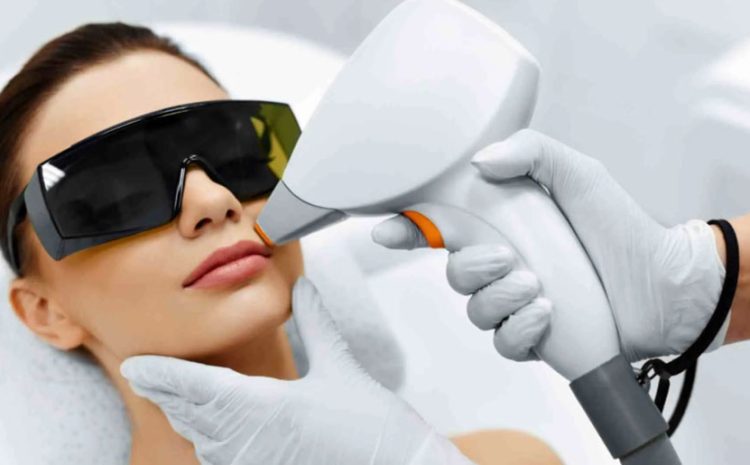
Laser hair reduction, also known as laser hair removal, is a popular cosmetic procedure offering a long-term solution for reducing unwanted hair growth. It is a method of using laser light to reduce unwanted hair. It targets the hair roots (follicles) and slows down future hair growth. It’s not a one-time fix, but it gives long-lasting results.
Is it the same as permanent hair removal?
Not exactly. It’s more like *”permanent hair reduction.” Over time, hair grows back finer, thinner, and slower — and some may stop growing altogether. But a few maintenance sessions may still be needed.
How does it work?
Laser hair removal works by targeting melanin (pigment) in the hair follicle. The laser’s light is absorbed and converted into heat, damaging the follicle to slow or stop future hair growth. Thanks to selective photothermolysis, the laser precisely targets hair while sparing surrounding skin. Since hair grows in cycles, the treatment is most effective during the active growth phase (anagen), which is why multiple sessions are needed for optimal results.
Is it safe?
Yes, when done by a qualified dermatologist, it’s quite safe. The laser targets only hair, not the surrounding skin.
Does it hurt?
Most people say it feels like a rubber band snap or a mild pinch. Some machines have cooling tips to make it more comfortable. A numbing cream can also be used if needed. So a certified and registered dermatologist with proper equipped machines should be consulted.
How many sessions do I need?
Usually 6 to 8 sessions spaced 4 to 6 weeks apart. Hair grows in cycles, so multiple sessions are needed to catch all hairs during their active phase.
What areas can be treated?
Almost anywhere! Laser hair reduction is often used on delicate areas and the settings are adjusted for each body part. Common areas include,.
- Upper lip
- Chin
- Underarms
- Arms and legs
- Bikini area
- Back or chest (for men)
- Face (for conditions like hirsutism)
Is it safe for all skin tones?
Yes, but the type of laser used may vary. Darker skin needs a laser that’s safe and specific for melanin-rich skin to avoid burns or marks. Always go to a certified skin clinic.
