


What is Fungal Skin infection
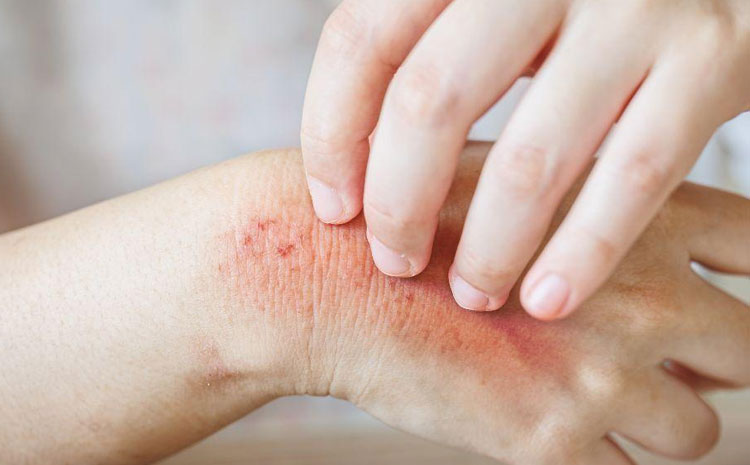
What is Dermatophyte Infection or Fungal Skin Infection?
Dermatophyte infection is a superficial fungal infection of the skin, hair, and nails. It is also known as ringworm.
In Hindi, it is called Daad, and in Marathi, it is termed Gachkaran.
How Does One Get a Fungal Skin Infection (Dermatophyte Infection)?
Ringworm occurs when a person gets infected with dermatophytes, a superficial fungus that lives off keratin — a protein found in skin, hair, and nails.
That’s why infections commonly occur in these areas.
How Does the Infection Spread?
Dermatophyte infection spreads through:
- Direct skin contact with an infected person
- Sharing contaminated objects (fomites) like towels, clothes, or combs
It is more common in tropical climates.
High temperature, humidity, and tight or occlusive clothing favor fungal growth.
People with certain conditions such as diabetes mellitus, HIV infection, or those taking steroids or anticancer drugs are at higher risk.
Other contributing factors include poor hygiene, excessive sweating, self-medication, use of steroid-antifungal creams, and infection in family members.
How Does Fungal Skin Infection Appear?
Dermatophyte infection presents with:
- Severe itching
- Circular red patches with raised borders and central clearing (ring-shaped lesions)
The folds of the body — such as the groins (jock itch), armpits, and areas below the breasts — are most commonly affected.
It may extend to the abdomen, buttocks, and thighs.
Other sites include:
- Palms, soles, and web spaces between fingers and toes — may appear scaly and itchy.
- Nails — may become discolored, thickened, or damaged (common in diabetics and the elderly).
- Scalp and hair — may show scaly patches with hair loss or pus-filled lesions (common in children).
What Should One Do If They Get a Fungal Skin Infection?
Consult a dermatologist for proper diagnosis and treatment.
The diagnosis is usually based on the appearance of the rash and symptoms such as itching.
Are There Any Laboratory Tests to Diagnose Fungal Skin Infections?
Diagnosis is usually clinical. If needed, the dermatologist may:
- Take skin scrapings or nail/hair clippings
- Send them for microscopy and culture to confirm the diagnosis and identify the fungus
What Is the Treatment for Fungal Skin Infections?
Various topical (cream) and oral (tablet) antifungal medications are available.
The dose, duration, and choice of medicine depend on:
- Severity of infection
- Presence of other medical conditions (like liver/kidney disease or pregnancy)
- Response to previous treatments
Are There Any Side Effects of Treatment?
Over-the-counter steroid-antifungal creams provide temporary relief but cause long-term harm:
- The steroid component reduces redness and itching temporarily.
- The fungus persists and may worsen.
- Prolonged use can cause skin thinning, stretch marks, and white patches.
Hence, do not buy creams over the counter or use them on the advice of non-dermatologists.
Oral antifungals may affect the liver and interact with other medicines (e.g., for diabetes).
Always inform your dermatologist about other medications you take.
Sometimes, blood tests are required before and during treatment.
Can Fungal Skin Infections Recur?
Yes, dermatophytosis can recur.
Reasons for recurrence include:
- Incomplete or inadequate treatment
- Not treating family members or contacts
- Drug resistance
- Use of steroid-antifungal creams
- Self-medication
Self-Care Methods to Prevent Fungal Skin Infections and Recurrence
Follow these measures to prevent infection and recurrence:
- Apply medicines regularly and for the full duration prescribed.
- Apply topical antifungal cream on the entire affected area and about 2 cm beyond the visible patch.
- Take a bath after heavy sweating and dry yourself thoroughly, especially body folds.
- Dry clothes and undergarments inside out in sunlight.
- Wash towels, napkins, and undergarments in hot water, sun-dry, and iron before use.
- Change socks daily.
- Avoid tight clothing — prefer loose cotton garments.
- Men should prefer boxer shorts instead of tight underwear.
- Ensure that all family members and close contacts are treated properly to prevent reinfection.
Important Don’ts
- Do not self-medicate.
- Do not buy creams over the counter or use products recommended by non-professionals.
- Always consult a qualified dermatologist for any skin issue.
Disclaimer
This article is for general patient information only and is not intended for self-medication.
There is no legal liability of IADVL arising from any adverse consequences due to self-treatment.
Images or examples are for educational purposes only and should not be reused elsewhere.
