


Fungal Skin infection
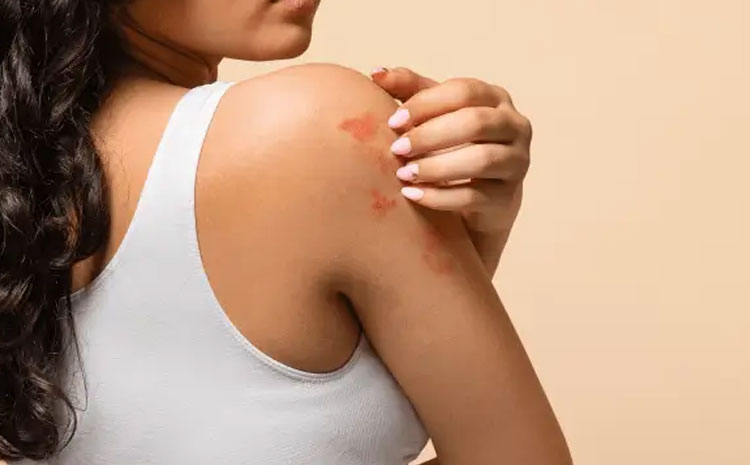
What is Dermatophyte Infection or Fungal Skin Infection?
Dermatophyte infection is a superficial fungal infection of the skin, hair, and nails. It is also known as ringworm. In Hindi, it is termed as Daad and in Marathi as Gachkaran.
How does one get a fungal skin infection / dermatophyte infection?
Ringworm occurs when a person gets infected with dermatophytes, which are superficial fungi. These fungi live off human keratin, and that is why the infection can occur on the skin, hair, and nails.
How does the infection spread?
- Dermatophyte infection is transmitted by direct skin contact with an infected person or by sharing objects of daily use (fomites).
- It is more common in tropical climates.
- High temperature, humidity, and an occlusive atmosphere predispose to development of dermatophytosis.
- Diseases like diabetes mellitus, HIV infection, or patients taking steroids or anticancer drugs are at high risk.
- Poor hygiene, excessive sweating, self-medication or use of topical steroids, and infection in family members can also contribute.
How does fungal skin infection appear?
- Dermatophyte infection presents with severe itching and circular red skin lesions with raised borders and central clearing. The infection clears in the centre and spreads towards the edges.
- The folds of the body are most commonly affected — especially the groins (jock itch), armpits, and areas below the breasts. It can extend to the abdomen, buttocks, and thighs.
- The palms, soles, and web spaces of fingers and toes may show itchy, scaly lesions.
- Nails may become infected and act as a source for recurrent dermatophytosis. Discoloration or total damage of the nail plate may occur. Toenail infections are common in elderly and diabetic patients.
- Hair infection appears as scaly patches with hair loss or pus-filled lesions — more common in children.
What should one do if they get a fungal skin infection?
Consult a dermatologist — it can be easily diagnosed based on itching and the clinical appearance of the lesions.
Are there any laboratory tests to diagnose fungal skin infections?
Diagnosis is usually clinical. If needed, skin scrapings or nail/hair clippings can be examined under a microscope or cultured to identify the causative fungus.
What is the treatment for fungal skin infections?
- Various topical and systemic antifungal medicines are available for treatment.
- The dose, duration, and type of medicine are decided by the dermatologist depending on the severity, other existing conditions (like kidney/liver disease, pregnancy), and patient’s health status.
Are there any side effects of treatment?
- Topical steroid-antifungal combination creams are often misused as over-the-counter self-medications. These give temporary relief because of the steroid, but the fungal infection persists and can worsen over time.
- Long-term use of steroid creams can cause skin thinning, stretch marks, and light-colored
